NCIS Drama Series: The Ultimate Complete Season Review 22 Seasons, 500+ Episodes and One Unforgettable Legacy
If you’ve ever flicked through TV channels on a Tuesday night and landed on a team of sharp witted federal agents cracking a Navy murder case, there’s a very good chance you were watching NCIS. This remarkable CBS show has been a household staple since September 23, 2003 and it shows no signs of slowing down. Whether you’re a lifelong fan or a curious newcomer, this NCIS drama TV series all season complete review is everything you need to understand why this show became a cultural phenomenon.
From humble beginnings as a JAG spin off to becoming one of the longest running scripted primetime shows in American television history, NCIS has delivered more than 500 episodes of edge of your seat crime solving, heartfelt character drama and surprisingly sharp humor. In this complete review, we’re going season by season, covering everything the cast changes, the storyline highlights, the IMDb ratings and the real reasons why fans keep coming back year after year.
Buckle in. This is going to be a long, rewarding ride.
What Is NCIS? A Quick Overview
NCIS stands for Naval Criminal Investigative Service. The show follows a fictional Major Case Response Team (MCRT) based in Washington D.C., tasked with investigating crimes connected to the United States Navy and Marine Corps. Think murders, terrorism, espionage and everything in between.
Created by legendary TV producer Donald P. Bellisario and writer Don McGill, the series was born out of the CBS drama JAG. Two NCIS characters Special Agent Leroy Jethro Gibbs (Mark Harmon) and Medical Examiner Donald ‘Ducky’ Mallard (David McCallum) first appeared in a JAG two parter before getting their own show.
What makes NCIS different from other procedural dramas is its unique blend of crime investigation, character depth, dark humor and family like team dynamics. The agents don’t just solve cases they grow, grieve, love and evolve together. That emotional anchor is what turned a solid procedural into an enduring American institution.
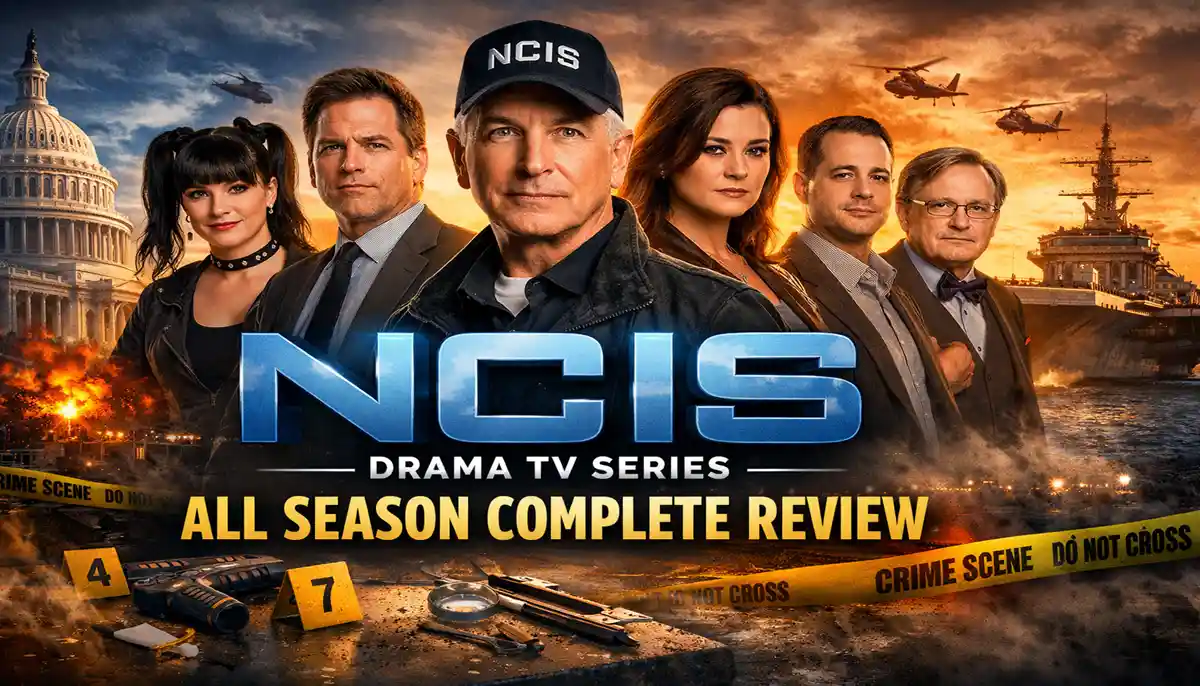
Core Show Details at a Glance
The series airs on CBS and has been produced under the banner of Belisarius Productions in partnership with Paramount Network Television (later CBS Paramount Network Television). The running time per episode sits between 42 and 44 minutes. The show carries a TV 14 certificate, making it suitable for a broad audience including older teens and adults.
Filming takes place primarily in Los Angeles, California, with exterior location shooting done in Washington D.C. and occasional scenes in Quantico, Virginia, giving the show its authentic military atmosphere.
La Casa de los Famosos: The Ultimate Brilliant Review All 6 Seasons Ranked, Rated and Revealed
Creators, Showrunners and the Creative Force Behind NCIS
Donald P. Bellisario is the visionary behind NCIS, drawing on his own experiences as a U.S. Marine to shape the show’s authentic military culture. Co creator Don McGill helped develop the show’s original framework and together they established the tone that would last for two decades.
Over the years, the showrunner chair passed through several hands. Gary Glasberg served as executive producer and showrunner from Season 9 until his unexpected passing in 2016. His tenure gave the show some of its most emotionally complex storytelling. Frank Cardea and George Schenck, along with other veteran writers like Jesse Stern and Christopher Silber, kept the show’s narrative engine running smoothly across multiple seasons.
Executive producers have included a long roster of television veterans, with names like Steven D. Binder, Scott Williams and Gina Lucita Monreal contributing significantly to the show’s later seasons. The writing room always maintained a delicate balance between standalone crime of the week episodes and serialized character arcs a formula that proved irresistible to viewers.
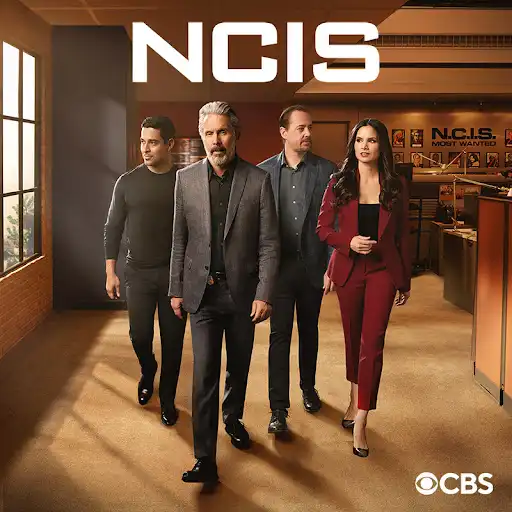
Key Directors Who Shaped the Show
NCIS has benefited from a rotating roster of talented directors. Dennis Smith, Terrence O’Hara, Tony Wharmby and James Whitmore Jr. were among the most frequent collaborators in the early seasons, establishing the visual language of the show. Later, actors turned directors like Rocky Carroll (who plays Director Leon Vance) and Michael Weatherly (Tony DiNozzo) stepped behind the camera, adding layers of creative authenticity to specific episodes.
Other notable directors include Thomas J. Wright, Michelle MacLaren, Mario Van Peebles, Kevin Rodney Sullivan and Daniela Ruah (of NCIS: Los Angeles fame). This diversity of directorial voices kept the show visually fresh across more than two decades.
The Heart of NCIS Cast and Characters Through the Seasons
No NCIS drama TV series all season complete review would be complete without a deep dive into the cast. The show’s greatest strength has always been its characters complex, funny, broken and ultimately loveable people who feel like extended family after a few seasons.

The Permanent Stars
Mark Harmon as Special Agent Leroy Jethro Gibbs is, simply put, the soul of NCIS. A former Marine gunnery sergeant turned Navy investigator, Gibbs is defined by his stoic leadership, ironclad rules (his famous ‘Gibbs Rules’) and a deep well of personal tragedy. Harmon played Gibbs from Season 1 right through Season 19 a remarkable run of nearly two decades. His exit midway through Season 19 marked a seismic shift for the show.
David McCallum as Dr. Donald ‘Ducky’ Mallard brought warmth, wisdom and a delightfully eccentric energy to the role of NCIS medical examiner. McCallum, a beloved British American actor, remained with the show until his passing in September 2023 and the series honored his legacy with a touching tribute episode.
Sean Murray as Timothy McGee is the ultimate fan favorite everyman a tech genius who started as the team’s nervous probie and gradually became one of its most reliable agents. Murray has been with the show since Season 1 and continues to anchor the team.
Brian Dietzen as Jimmy Palmer began as Ducky’s hapless assistant and grew into the full medical examiner role. His comedic timing and genuine warmth made Jimmy one of the most beloved supporting characters in the show’s history.
Pauley Perrette as Abby Sciuto was the show’s breakout star a goth forensic scientist with a big heart, a louder wardrobe and an addiction to CafPow energy drinks. Perrette left after Season 15 and Abby’s farewell episode remains one of the most emotionally powerful in the series.
Wilmer Valderrama joined in Season 14 as undercover agent Nick Torres, injecting fresh energy at a time when the show needed it most. His chemistry with the rest of the team was instant and electric.
Gary Cole stepped in as Alden Parker in Season 19, taking over as team lead after Gibbs’ departure. Cole brought a different kind of authority quieter, more cerebral but no less commanding.

Memorable Rotating Cast Members
Cote de Pablo as Ziva David remains one of the most iconic characters in NCIS history. A Mossad officer turned NCIS agent, Ziva’s arc across Seasons 3 through 10 was emotionally gripping. Her unexpected return in Season 17 sent the fandom into a frenzy. Michael Weatherly as Tony DiNozzo was Gibbs’ wisecracking senior field agent and fan favorite from Seasons 1 through 13.
Emily Wickersham played Ellie Bishop from Season 11 to Season 18, providing a fresh analytical perspective to the team. Diona Reasonover joined in Season 16 as forensic scientist Kasie Hines, seamlessly filling the lab based role after Abby’s exit. Katrina Law as Agent Jessica Knight brought tactical expertise and romantic tension beginning in Season 19.
Guest stars and recurring players have included luminaries like Robert Wagner (as Tony’s charming father, Anthony DiNozzo Sr.), Jamie Lee Curtis (as Dr. Grace Confalone, Gibbs’ therapist), Joe Spano as FBI Agent Tobias Fornell and Lauren Holly as NCIS Director Jennifer Shepard. Ralph Waite played Gibbs’ father, Jackson, in some of the show’s most touching scenes.

NCIS All Seasons Quick Reference Table
Here’s a comprehensive season by season breakdown of NCIS, covering premiere years, episode counts, key cast changes and average IMDb ratings:
| Season | Year | Episodes | Key Cast Addition / Exit | IMDb Rating | Highlight |
| 1 | 2003–04 | 23 | Series premiere; full core team | 7.9 | JAG spin off launch |
| 2 | 2004–05 | 23 | Kate Todd story arc peaks | 8.0 | Kate’s shocking exit |
| 3 | 2005–06 | 24 | Ziva David joins | 8.1 | Ziva intro |
| 4 | 2006–07 | 24 | La Grenouille arc begins | 8.0 | Tony’s deep cover |
| 5 | 2007–08 | 19 | Writers’ strike shortens season | 7.9 | Kort villain arc |
| 6 | 2008–09 | 25 | Michael Rivkin arc | 8.1 | Ziva’s emotional peak |
| 7 | 2009–10 | 24 | Ziva becomes full agent | 8.2 | Ziva’s citizenship |
| 8 | 2010–11 | 24 | EJ Barrett arc | 8.0 | Port to Port killer |
| 9 | 2011–12 | 24 | Mike Franks memorial | 7.9 | Harper Dearing threat |
| 10 | 2012–13 | 24 | Ziva David exits (Cote de Pablo) | 7.9 | Landmark Season 10 |
| 11 | 2013–14 | 24 | Ellie Bishop joins (Emily Wickersham) | 7.9 | New team dynamic |
| 12 | 2014–15 | 24 | Abby’s lab expanded | 7.9 | Gibbs’ past explored |
| 13 | 2015–16 | 24 | DiNozzo Sr. recurring | 7.9 | Tony’s emotional arc |
| 14 | 2016–17 | 24 | Nick Torres joins (Wilmer Valderrama) | 7.8 | Fresh team energy |
| 15 | 2017–18 | 24 | Clayton Reeves exits | 7.7 | Abby’s farewell season end |
| 16 | 2018–19 | 24 | Abby exits; Kasie Hines joins | 7.7 | Lab team reshuffled |
| 17 | 2019–20 | 20 | COVID shortened; Ziva returns briefly | 7.7 | Ziva’s comeback |
| 18 | 2020–21 | 16 | COVID protocols; Sloane exits | 7.7 | Pandemic era production |
| 19 | 2021–22 | 21 | Gibbs (Mark Harmon) exits midseason | 7.6 | Era defining departure |
| 20 | 2022–23 | 22 | Parker (Gary Cole) leads team | 7.5 | Post Gibbs era begins |
| 21 | 2023–24 | 10 | Writers’ strike shortens run | 7.4 | Renewed fan focus |
| 22 | 2024–25 | 18 | Parker & team evolve | 7.5 | Steady post Gibbs run |
Note: IMDb ratings reflect audience scores at time of writing and may vary slightly over time. Seasons 23 and 24 are listed as confirmed/in production.

NCIS Season by Season Review The Complete Story
NCIS Season 1 (2003–04): The Bold Beginning
When NCIS premiered in September 2003, it had a lot to prove. Most viewers knew it as the JAG spin off and skeptics wondered whether a naval themed procedural could hold its own. It could and then some. The show’s first 23 episodes established all the key ingredients: Gibbs’ no nonsense leadership, Abby’s forensic brilliance, Ducky’s philosophical tangents and Tony’s loveable goofiness.
The pilot episode introduced the MCRT responding to a murder aboard Air Force One, setting the bar high from the very first scene. Early storylines balanced Navy specific cases with the team’s growing personal dynamics. The chemistry was undeniable from episode one.
NCIS Season 2 (2004–05): Raising the Stakes
Season 2 expanded the emotional stakes considerably. The season long arc involving Agent Kate Todd (Sasha Alexander) culminated in one of the most shocking season finales in procedural TV history. Ari Haswari, a Hamas double agent, assassinated Kate in the final seconds of the finale a moment that genuinely stunned audiences and proved NCIS was not afraid to take bold creative risks.
Sasha Alexander’s departure was a painful but ultimately defining moment for the series. The show’s willingness to kill a main character built enormous credibility and raised the emotional investment of every viewer going forward.
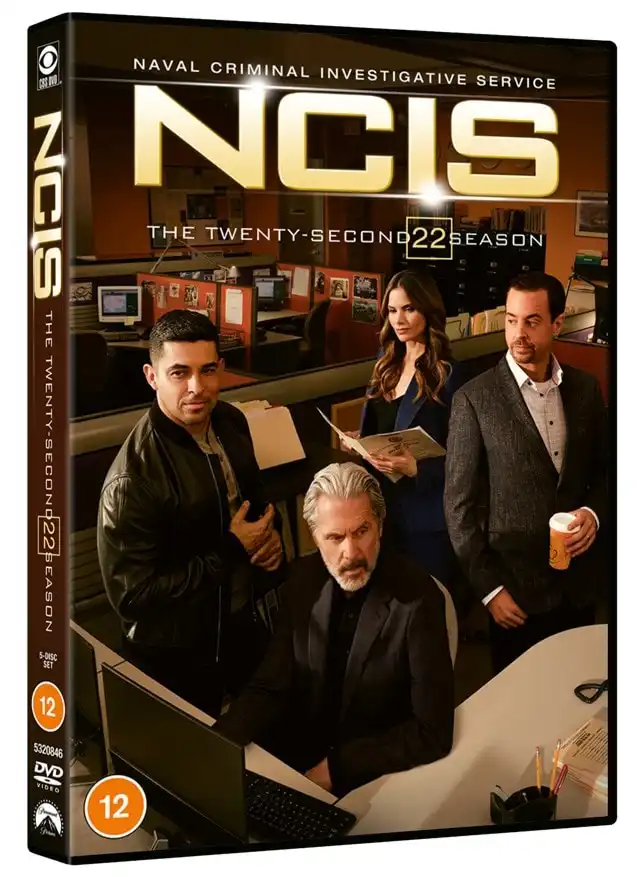
NCIS Season 3 (2005–06): Enter Ziva David
The introduction of Cote de Pablo as Mossad Liaison Officer Ziva David was a masterstroke. Ziva was everything Kate was not dangerous, complicated, morally grey and utterly fascinating. Her combative dynamic with Tony became one of the show’s most beloved ongoing threads and her story arc deepened exponentially over the next several seasons.
Season 3 also gave us the conclusion of the Ari story, with Ziva herself delivering the fatal shot to protect Gibbs. It was a moment of stunning moral complexity that set the tone for Ziva’s entire character journey.
NCIS Seasons 4 & 5 (2006–08): Deep Cover and Dark Turns
Season 4 plunged Tony into a dangerous undercover operation involving a French arms dealer known as La Grenouille. The mission blurred the lines between Tony’s professional duties and personal feelings and the season ended with La Grenouille’s mysterious death. Season 5 was shortened to 19 episodes due to the Hollywood writers’ strike of 2007–08 but it still delivered some sharp storytelling, including the introduction of CIA agent Trent Kort a recurring antagonist who would pop up for years.

NCIS Seasons 6 & 7 (2008–10): Ziva’s Defining Arc
These two seasons represent some of the finest storytelling in the entire run. Season 6’s harrowing storyline saw Ziva captured in Somalia, with Gibbs, Tony and McGee launching a covert rescue mission. The emotional payoff in Season 7 Ziva leaving Mossad, becoming a full NCIS agent and eventually an American citizen is genuinely moving television.
Season 7 also gave viewers one of the series’ best standalone episodes, exploring Gibbs’ past and the tragic loss that drives him. The balance between procedural plotting and character depth was near perfect during this period.
NCIS Seasons 8–10 (2010–13): Milestones and Major Exits
Season 8 introduced the Port to Port Killer storyline, a multi episode arc involving serial murders of naval officers. Season 9 dealt with the Harper Dearing domestic terrorism arc, which culminated in a literal explosion at NCIS headquarters a jaw dropping season finale that left fans stunned all summer.
Season 10 marked NCIS’s tenth anniversary and delivered something truly shocking: Cote de Pablo chose to leave the series. Ziva’s farewell was abrupt and heartbreaking and it sparked significant fan outcry. The show navigated the loss with grace but Ziva’s absence was felt deeply throughout subsequent seasons.

NCIS Seasons 11–13 (2013–16): Bishop Arrives, Tony Departs
Emily Wickersham’s Ellie Bishop joined in Season 11 as an NSA analyst turned field agent. She brought a fresh, bookish energy to the team and gradually found her footing. Season 12 continued to explore Gibbs’ past through flashback heavy episodes, while Season 13 gave Michael Weatherly a spectacular send off Tony’s arc concluded with the revelation that he has a daughter with Ziva, prompting him to leave NCIS to search for his family in Paris.
Weatherly’s departure after 13 seasons was genuinely emotional. Tony DiNozzo’s farewell episode, ‘Family First,’ is widely considered one of the finest hours in the show’s history.
NCIS Seasons 14–16 (2016–19): New Blood, New Energy
Season 14 brought Wilmer Valderrama on board as undercover agent Nick Torres a breath of fresh air who quickly became a fan favorite. Season 15 continued strong until its final episodes, when Pauley Perrette made her exit as Abby Sciuto. Abby’s farewell two parter, ‘One Step Forward’ and ‘Two Steps Back,’ was a tearful, loving goodbye to one of TV’s most iconic forensic characters.
Season 16 welcomed Diona Reasonover as Kasie Hines, the new forensic scientist, who brought humor and warmth to the lab in her own distinctive way. Maria Bello also joined around this period as NSA Liaison Jack Sloane, adding romantic tension and emotional complexity to Gibbs’ personal life.

NCIS Seasons 17–19 (2019–22): Pandemic, Returns and a Legend’s Exit
Season 17 brought the most anticipated return in the show’s history: Cote de Pablo reprised her role as Ziva David. The circumstances of her return revealing she had faked her death to protect her family were cleverly constructed and fan reactions were ecstatic. The reunion with Tony DiNozzo (referenced off screen) felt genuinely satisfying.
Seasons 18 and 19 were both shaped by the COVID 19 pandemic, which limited production and reduced episode counts. Season 18 saw the exit of Maria Bello’s Jack Sloane. Midway through Season 19, the bombshell dropped: Mark Harmon was leaving NCIS. Gibbs’ final episode a quiet, introspective sendoff involving a solitary canoe trip in Alaska was both understated and deeply moving. It was exactly the kind of exit that honored the character’s nature.
Katrina Law joined around this time as Agent Jessica Knight, providing both tactical firepower and romantic potential for Season 19 and beyond.

NCIS Seasons 20–22 (2022–25): The Post Gibbs Era
Gary Cole’s Alden Parker stepped fully into the leadership role in Season 20. The transition was smoother than many skeptics expected Parker’s dry wit and quiet confidence made him a compelling lead, even if he could never fully replace the Gibbs shaped hole in the show’s heart. Season 20 was a solid reset and Season 21 though shortened by the 2023 writers’ strike to just 10 episodes kept the quality remarkably high.
Season 22 delivered a stronger episode count and continued to develop Parker, Torres, Knight, McGee, Bishop’s successor dynamics and the lab team under Kasie Hines. The show has found a new equilibrium in the post Gibbs era and loyal viewers have largely embraced the evolution.

Storyline, Genres and What Makes NCIS Tick
At its core, the NCIS drama TV series all season complete review experience is a journey through the crime procedural genre with strong elements of action, drama, comedy and military thriller. Each episode typically begins with the discovery of a crime often a murder and follows the team as they investigate, analyze evidence, interview witnesses and ultimately solve the case within 44 minutes.
What elevates NCIS above typical procedurals is its layered serialized storytelling. Season long arcs involving recurring villains (like Ari Haswari, La Grenouille, Harper Dearing and Trent Kort) give the show narrative depth and emotional momentum. Character development threads Gibbs’ grief over his first family’s murder, Ziva’s complex Mossad loyalties, Tony’s fear of emotional commitment, McGee’s growth from probie to senior agent unfold across years, rewarding longtime viewers with satisfying payoffs.
The humor is another key ingredient. NCIS is genuinely funny and the comedy never feels forced. Tony’s pop culture references, Abby’s caffeine fueled enthusiasm and Gibbs’ signature head slaps (his form of affection and correction) create a warm, sitcom like undercurrent beneath the drama.

The NCIS Franchise A TV Universe Worth Exploring
The success of NCIS spawned one of television’s most expansive procedural universes. NCIS: Los Angeles premiered in 2009 and ran for 14 seasons, featuring LL Cool J, Chris O’Donnell and Daniela Ruah as its leads. NCIS: New Orleans premiered in 2014 and ran for 7 seasons with Scott Bakula as Special Agent Dwayne Pride. NCIS: Hawai’i launched in 2021 with Vanessa Lachey and Jonathan LaPaglia.
The newest addition, NCIS: Origins, premiered in 2024 as a prequel series focusing on the early career of Leroy Jethro Gibbs. This prequel concept has generated enormous excitement, as it gives the original show’s most iconic character a whole new chapter.
The franchise’s longevity and expansion speak to the power of the NCIS brand. Few procedural universes have achieved this kind of sustained cultural relevance across multiple spin off shows and decades of programming.

NCIS Popularity, Ratings and Cultural Impact
For much of the 2000s and 2010s, NCIS was the most watched scripted drama on American television sometimes the most watched show of any genre, period. At its peak around Seasons 10 and 11, the show regularly attracted 20 million viewers per episode. These are numbers that streaming giants dream of.
The show’s IMDb overall rating of approximately 7.9 out of 10 reflects a consistently high quality across more than 500 episodes a remarkable achievement for any long running series. Individual episode ratings have fluctuated as cast members came and went but the show never experienced the dramatic quality collapse that befalls many aging dramas.
NCIS has been nominated for and won numerous awards across its run, including People’s Choice Awards for Favorite Network TV Drama multiple times. The cast has been celebrated by fans with particular devotion conventions, social media fanbases and dedicated viewer communities keep the NCIS world thriving online and off.

Honest Pros and Cons What Works and What Doesn’t
What NCIS Gets Brilliantly Right
The character dynamics are the show’s greatest strength. Watching the team evolve over 22 seasons is deeply rewarding. Mark Harmon’s performance as Gibbs is a masterclass in controlled, quiet authority. The show’s tone serious but never self important, funny but never silly is perfectly calibrated.
NCIS also excels at honoring its characters’ exits. Kate, Tony, Ziva (eventually), Abby and Gibbs all received sendoffs that respected their journeys. That respect for characters and audience alike is rare in network television.
The franchise’s expansion has been smartly managed, with each spin off differentiated enough to avoid feeling like a cheap copy of the original.

Where NCIS Falls Short
The show can be formulaic in its monster of the week episodes, particularly in the middle seasons (12–15), when storylines occasionally felt like retreads of earlier, stronger material. Some fans felt the departure of Ziva David and Tony DiNozzo in Seasons 10 and 13 respectively left creative voids that were never fully filled.
The post Gibbs era, while commendable in its execution, inevitably lacks the magnetic central presence that Mark Harmon provided for nearly two decades. Season 21’s reduced episode count due to the writers’ strike also felt frustratingly short for dedicated fans.

Final Thoughts Should You Watch NCIS?
After 22 seasons, 500 plus episodes and enough case files to fill a Navy warship, NCIS stands as one of the great achievements in American network television. This NCIS drama TV series all season complete review comes to a clear conclusion: yes, absolutely watch it.
Is it perfect? No. Long running shows rarely are. There are seasons that drag, storylines that underperform and character exits that sting. But the highs Ziva’s rescue arc, Kate’s shocking farewell, Tony’s Paris exit, Gibbs’ Alaska goodbye, Abby’s tearful sendoff are as good as anything network TV has produced in the past two decades.
What NCIS offers is something increasingly rare in an era of streaming binge drops and short season prestige dramas: the long term comfort of characters you genuinely know and love. After 10 seasons, you understand Gibbs the way you understand a close friend. After 15 seasons, Abby’s laugh feels like family. That kind of emotional investment doesn’t happen by accident it’s the product of skilled writing, exceptional casting and a creative team that genuinely cares about its show.
My personal take? Start from Season 1 and don’t skip episodes. The early seasons build the foundation. The middle seasons reward your patience. And even the later seasons even after Gibbs, even after Tony and Ziva offer more than enough reason to stay tuned.
NCIS is not just a TV show. It’s an institution. And institutions like this deserve every viewer they’ve earned.
Nicola Coughlan Biography: 7 Incredible Facts You Need to Know
Frequently Asked Questions About NCIS
How many seasons does NCIS have?
As of 2025, NCIS has completed 22 seasons with a 23rd season officially confirmed and in production. The show premiered in 2003 and remains one of the longest running scripted primetime dramas in U.S. television history.
Is NCIS based on a true story?
NCIS is a fictional drama but it is inspired by the real Naval Criminal Investigative Service a genuine federal law enforcement agency. Creator Donald P. Bellisario drew on his own background as a U.S. Marine to give the show authenticity. The cases are fictional but the agency and its general mission are real.
Who is the main character in NCIS?
Special Agent Leroy Jethro Gibbs, played by Mark Harmon, was the central character from Season 1 through mid Season 19. Since Harmon’s departure, Special Agent Alden Parker (Gary Cole) has served as the team lead. Sean Murray’s Timothy McGee provides the longest continuous thread through all 22 seasons.
Why did Mark Harmon leave NCIS?
Mark Harmon stepped back from NCIS in Season 19 citing a desire to spend more time with his family and pursue other creative projects. His exit was handled with dignity Gibbs chose to stay in Alaska rather than return to Washington, leaving the door theoretically open while providing a natural narrative conclusion.
Is NCIS still good after Gibbs left?
Yes though ‘good’ looks different now. Gary Cole’s Alden Parker is a genuinely compelling character and the ensemble cast remains strong. Seasons 20 through 22 have maintained the show’s quality better than many expected. The show has successfully evolved rather than simply replacing Gibbs with a carbon copy.
Where can I watch NCIS?
All seasons of NCIS are available through CBS and the Paramount+ streaming platform in the United States. The show also airs in syndication on various cable networks. International availability varies by country.
Disclaimer:
This article is intended for informational and entertainment purposes only. All content is independently written and does not represent the views of any network, studio or production company. While every effort has been made to ensure accuracy, details may change over time readers are encouraged to verify current information through official sources. No medical, legal or professional advice is provided or implied.